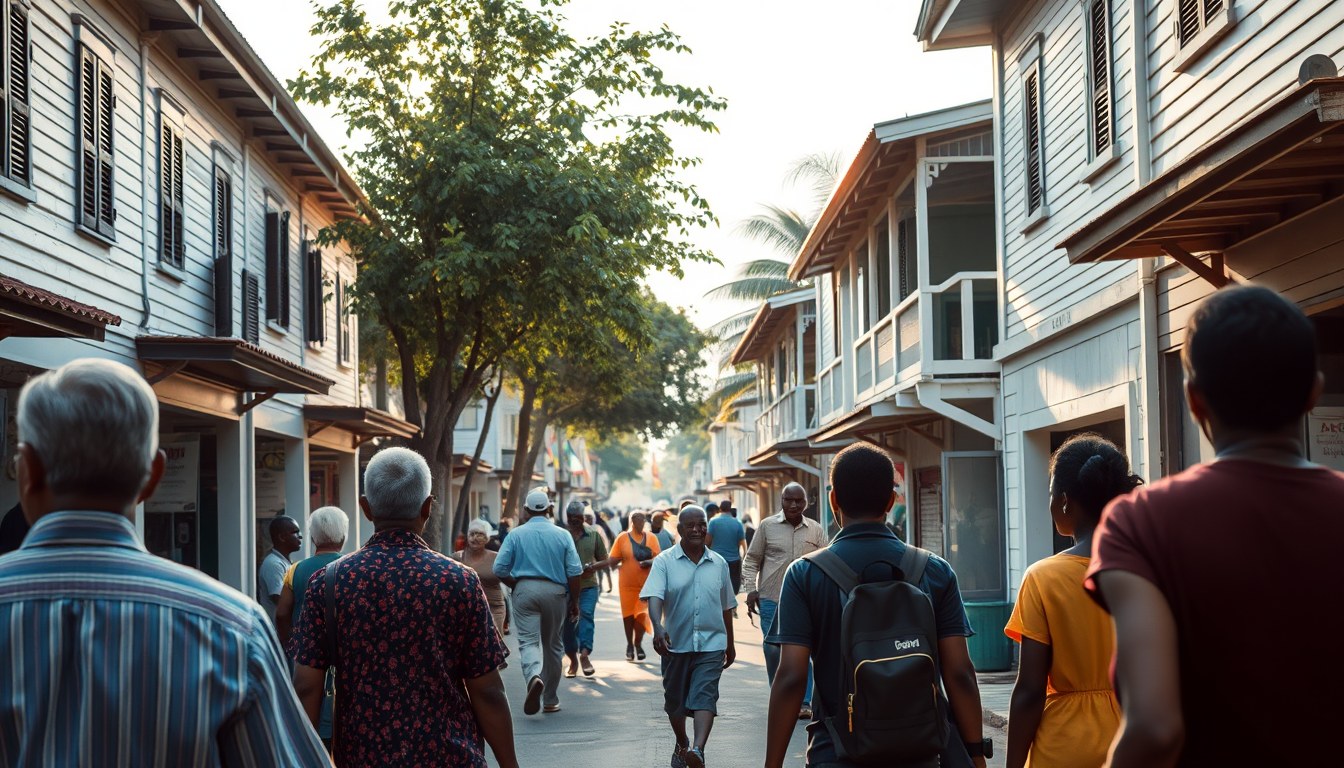
Suriname has a new baseline for almost every long-term decision. On 27 November the General Bureau of Statistics (ABS) presented the results of the ninth population and housing census: 638,032 inhabitants, 96,394 more than the 541,638 recorded in 2012. The main report describes these as definitive results. They are not, however, a picture of today. The reference point is the night of 13 to 14 October 2024, although fieldwork ran until October 2025.
Read the growth figure with care
The headline total is not a simple head count. A follow-up survey estimated that 65,900 people in private households had been missed, and the ABS added them statistically. Without that correction, the census would show about 572,000 people. Older people and foreign nationals were especially likely to be missed: the estimated undercount was 19.3% for those aged 65 and over, and 24.3% for foreigners. The ABS says the adjusted total lies close to recent United Nations estimates, which it sees as a sign that the figure is plausible.
The comparison with 2012 needs a second caveat. A similar survey then found an undercount of 23,500 people, but the official 2012 total was never adjusted. Published figures imply growth of 17.8%. The ABS says that adding the missed residents to the 2012 base would cut it to 13.1%, or about 1.0% a year instead of 1.4%. Anyone projecting demand for homes, power or consumer goods should treat the higher rate as an overstatement.
Older, and with more to pay for
The median age has risen from 28.6 in 2012 to 30.5. Children under 15 now make up 25.0% of the population, down from 27.6%, while the share aged 65 and over has climbed from 7.1% to 8.7%. There are 13.2 people aged 65 or older for every 100 aged 15 to 64, against 10.8 in 2012.
Yet the total dependency ratio, which counts both children and the elderly against those aged 15 to 64, edged down to 51.0. The ABS says this still offers the demographic precondition for a "demographic dividend": a period in which a large working-age population can lift growth, provided education, health, employment and governance policies work. It also warns that the ratio is expected to rise as ageing advances, and that the opportunity will eventually close. The report does not put a date on it.
The pension question is already visible. The report puts the pensionable age at 60, and about 87,000 residents aged 60 and over were recorded. For 39.5% of them, the main income was the state old-age benefit, the AOV; for 30.7% it was a pension, and for 11.5% wages or salary. Among women in that age group, 45.3% relied mainly on the AOV. Our reading is that any debate about the benefit's level, funding or eligibility age now touches a large group, many of whom may have limited alternatives. The census measures income sources; it does not test whether the schemes are solvent.
Health costs point the same way. High blood pressure was the most commonly reported of the chronic conditions covered, at 122 cases per 1,000 residents aged five and over, and more than four in ten people aged 65 and over reported it. About one in four older people reported diabetes. These are self-reported figures that the ABS treats as indicative only, and it says true hypertension rates are probably higher.
The labour reserve is large, but not ready-made
For an economy preparing for offshore oil, the most useful numbers may be in the labour chapter. Of 422,600 people aged 15 to 64, only 237,600 were working or looking for work. That is a participation rate of 56.2%, down from 62.3% in 2012, and the ABS says the difference needs further analysis. For women the rate was 47.2%, against 65.7% for men.
Measured unemployment was just 5.0%, about half the 2012 rate, but the ABS explicitly cautions against reading that directly as an improvement. Include discouraged jobseekers and the rate rises to 11.9%. Unemployment among those aged 15 to 24 stood at 11.8%, and at 17.4% for young women.
Skills are another constraint. Among residents aged 15 and over in private households, 10.8% had had no schooling, while only 9.0% had attended tertiary education, whether or not they finished it. The government is also a heavyweight employer, accounting for 61,500, or 26.6%, of the 230,700 people in work.
The implication, in our view, is that employers should not treat the 185,000 working-age people outside the labour force as available hands. Many are students, carers, retired or unable to work. Turning some of them into recruits would take training, and probably child and elder care: 48,100 women aged 15 and over gave family care as their reason for not seeking work. Skills gaps are already on the agenda: Staatsolie and Zijin Rosebel Gold Mines have warned of a looming shortage of qualified workers, as we reported in our look at Rosebel's skills test.
The map is moving
Paramaribo and Wanica hold 435,800 people, just over two-thirds of the total. But the capital itself is barely growing, at 0.6% a year. The fast movers are Commewijne (3.6%), Wanica (3.4%), Para (3.3%) and Saramacca (3.2%). Wanica went from 118,200 residents to 178,300.
Parts of the interior show the reverse. The recorded population of Sipaliwini fell from 37,100 to 18,100, and Brokopondo's from 15,900 to 9,300. The ABS says this needs more research, including whether people moved to towns or left the country. Fieldwork in the interior was limited, and Sipaliwini's undercount rate was borrowed from Brokopondo, so these figures deserve particular caution before budgets are cut to match them.
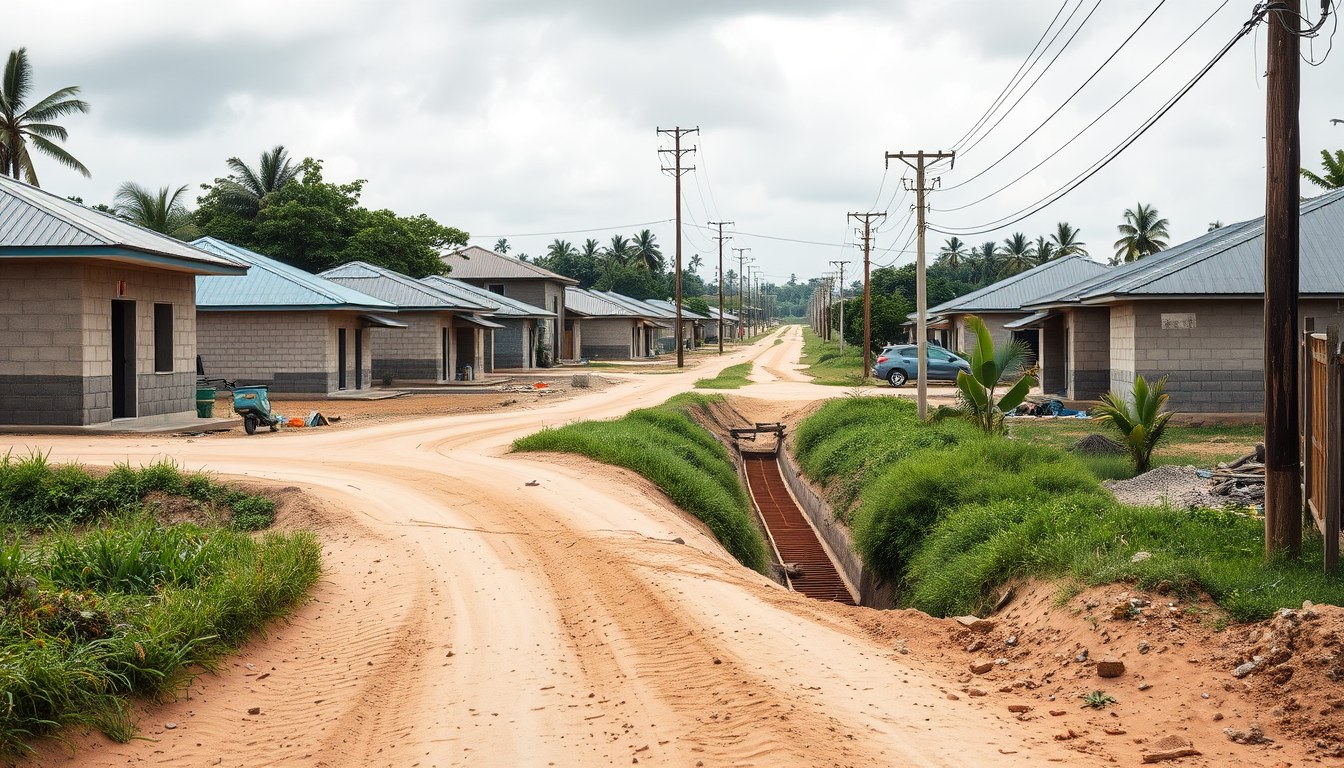
For developers, retailers and utilities, growth around the capital is the signal to follow. The country counted 171,716 private households, and average household size has fallen from 3.9 in 2004 to 3.6, which means more front doors for the same number of people. Services are uneven. A basic drinking-water facility reached 93.8% of households in Paramaribo, but 81.3% in Wanica, 58.6% in Commewijne and just 20.9% in Sipaliwini. The classification used here counts protected rainwater tanks, common in some districts, as only a "limited" service.
From publication to budget line
Finance and Planning Minister Adelien Wijnerman, writing in the report's foreword, said the value of the census would show only when its insights were turned into concrete policy measures, targeted investment and measurable improvements in welfare. Her closing line, translated from Dutch: "Whoever wants to shape Suriname's future responsibly must know today's reality."
The tests we would apply are practical. Do pension and health plans carry long-range costings based on the new age structure? Are school, clinic, water and road budgets shifting towards the growth districts without abandoning the interior? Is there a training plan that reaches women and young people before oil-era hiring peaks? And will the ABS, which plans thematic studies on subjects including migration and health, get the means to deliver them quickly? The census does not answer these questions. It does make them harder to postpone.
Sources & further reading
- ABS: Results of the Ninth Population and Housing Census, Census 2024 (Dutch, PDF)
- ABS: Census 2024 statistics and presentations
- Starnieuws: Census 9, Suriname counts 638,032 inhabitants and is ageing (Dutch)
- Starnieuws: Suriname has over 96,000 more inhabitants than in 2012 (Dutch)
- Waterkant: Suriname counts 638,032 inhabitants (Dutch)
- Times of Suriname: Census findings on internal migration (Dutch)
- 350 Homes at Reeberg, 30,000 Households in Need
- 3,600 Gold Jobs, Not Enough Hands: Rosebel's Skills Test