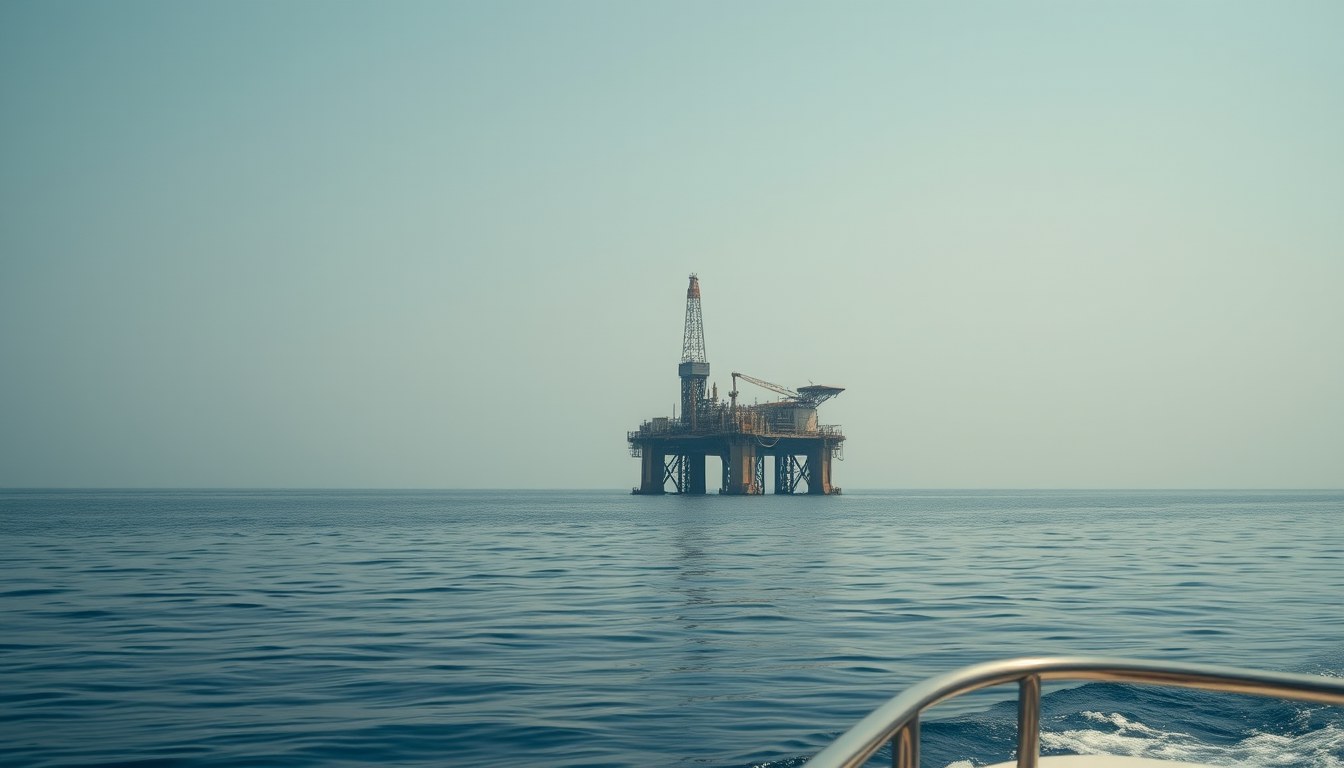
A rig contract can say a lot about the next few years. On 18 November, Saipem announced two contracts for its semi-submersible rig Scarabeo 9, worth about US$181 million in total. One is for work off Egypt. The other is with TotalEnergies EP Suriname.
The Suriname job is five offshore wells, with an option for five more. It is not due to start until the rig has finished in Egypt. For local suppliers, that gap is the interesting part: it is a useful piece of advance notice.
What has been agreed
The rig first goes to work for Burullus Gas Company, a joint venture of Shell, Petronas and the Egyptian General Petroleum Corporation. It is to drill three wells off Egypt, with operations scheduled to begin in the first quarter of 2027. Only then does it move to Suriname, Drilling Contractor reports. The same report describes Scarabeo 9 as a sixth-generation, ultra-deepwater unit rated for water depths of up to 3,600 metres.
According to Offshore magazine, the combined work keeps the rig occupied into 2028.
Several things are not known from the reports we read. They give no start date for the Suriname wells, name no block or well location, and do not split the US$181 million between the two countries. It would be wrong to divide the figure by the number of wells and call the result Suriname's share. The five optional wells are also just that: they may or may not be drilled.
The wider drilling picture
TotalEnergies operates Block 58, home of the GranMorgu development. The reports we read on the Saipem award do not say that Scarabeo 9 will work on that project, so readers should not assume it. What is on record is that activity around Block 58 is building from several directions.
In July, Halliburton announced integrated drilling and completions contracts for GranMorgu. In September, Staatsolie said preparations for drilling production wells were on schedule, and that a new exploration campaign in Block 58 is planned for 2027.
The development itself is large. When TotalEnergies took the final investment decision in October 2024, it estimated total investment at US$10.5 billion, with a production vessel able to produce 220,000 barrels of oil a day. Staatsolie holds a 20% participation. The state company reports that it raised US$516 million through a 2025 bond issue and secured a US$1.6 billion bank loan, that the production vessel is about half complete, and that first oil is still expected in 2028.
What it means for Surinamese suppliers
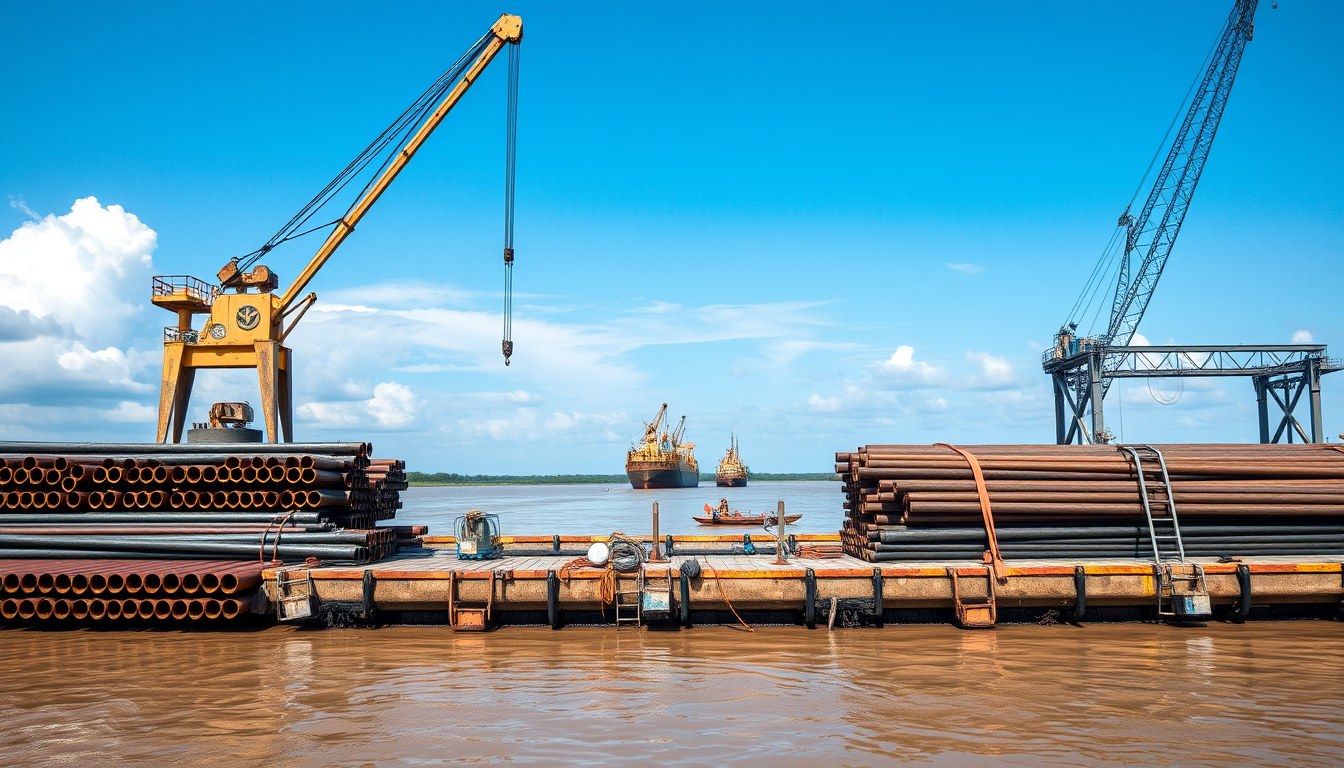
A drilling campaign buys much more than a rig. Offshore wells generally need fluids and cement, pipe handling, marine and air transport, port space, waste treatment, catering, crew accommodation, inspection and medical cover. None of this is promised to local firms by the Saipem award, and the reports mention no local content terms for it.
There are still reasons to prepare. Staatsolie says more than 100 Surinamese companies already supply goods and services to GranMorgu. Halliburton says it worked with local suppliers to upgrade its liquid mud and cement plant, supported construction of the country's first drilling and completions workshop, and plans to prioritise local hiring and supplier participation. At the investment decision, the project was projected to bring more than US$1 billion in local investment and more than 6,000 jobs, with local firms taking part in areas such as logistics and well services.
Those are company statements and projections, not audited outcomes. A count of suppliers also says little about how much value stays in the country, or how much of the work is specialised.
How to use the lead time
With the Egypt wells starting in early 2027, firms that want a share of the later work in Suriname have some months at least. We would use them as follows:
- Find out who buys. Much offshore purchasing can run through contractors and their subcontractors rather than the operator, so map the chain before sending out a company profile.
- Get the paperwork in order: safety management system, insurance, quality certificates, financial accounts and records of past jobs.
- Pick a narrow service you can deliver reliably, instead of offering everything.
- Consider a partnership where certification or equipment is out of reach, and agree in writing what skills will be transferred.
- Do not borrow against hoped-for orders. Invest when there is a tender, a framework agreement or a purchase order that justifies it.
Banks and business groups have a part too. A supplier with a confirmed order may still lack the working capital to buy stock and pay staff before the invoice is settled. Lenders can prepare products for that gap now, while there is time to assess clients properly.
What to watch
Four signals will show how much this award matters for Suriname: a confirmed start window for the Suriname wells; which block or blocks they target; whether the five optional wells are called; and what support contracts are tendered, to whom and on what terms.
It would also help if operators and the authorities published local spending and Surinamese employment for drilling separately from the rest of the project. Without that, the country will hear that activity is high without knowing how much of it landed at home.
Sources & further reading
- World Oil: Saipem wins US$181 million in Egypt and Suriname drilling contracts
- Drilling Contractor: Saipem lines up Scarabeo 9 work
- Offshore: Burullus and TotalEnergies take Saipem rig
- World Oil: TotalEnergies approves GranMorgu (2024)
- World Oil: Halliburton wins GranMorgu drilling contract
- Staatsolie: TotalEnergies CEO visit and GranMorgu progress
- Staatsolie: 2025 financial statements approved