This week a small team from the FAO Investment Centre in Rome is in Paramaribo to answer a question that Surinamese farmers, processors and lenders have argued about for years: which parts of agriculture and fisheries deserve the next dollar of investment? Agriculture, Livestock and Fisheries (LVV) Minister Mike Noersalim received the delegation on Monday 2 November. According to Suriname Herald, Suriname is the first country in a regional programme that also covers Saint Lucia and Dominica.
The mission runs from 1 to 7 November, Starnieuws reports, and is a joint undertaking with the Caribbean Development Bank (CDB). The aim, according to Starnieuws, is to select roughly five promising production chains and draw up targeted investment plans and investor profiles for each. In an economy where farm credit is scarce and costly, that shortlist could become a map of where capital is willing to go.
Who is at the table
Economist Julien Vallet of the FAO Investment Centre leads the mission. He is joined by value-chain specialist Carlos Puig Esteve, agricultural investment specialist Cesar Falconi and Malcolm Wallace for the CDB. Prithvi Jairam, described by Suriname Herald as the FAO's national project coordinator in Suriname, is bringing producers, processors, financial institutions and government officials together during the week. Starnieuws says Noersalim set out the chains he considers most promising, and that the bottlenecks and risks holding back the sector were also discussed. Neither outlet has named the chains yet.
The exercise is not starting from scratch. Starnieuws notes that it builds on a sector analysis and investment framework the FAO completed in 2024. According to Suriname Herald, the delegation is scheduled to present its first findings to LVV's directorates on Friday 6 November. It will then draft investment proposals for the priority chains, produce a first cost estimate and identify possible financing sources.
Beyond the farm gate
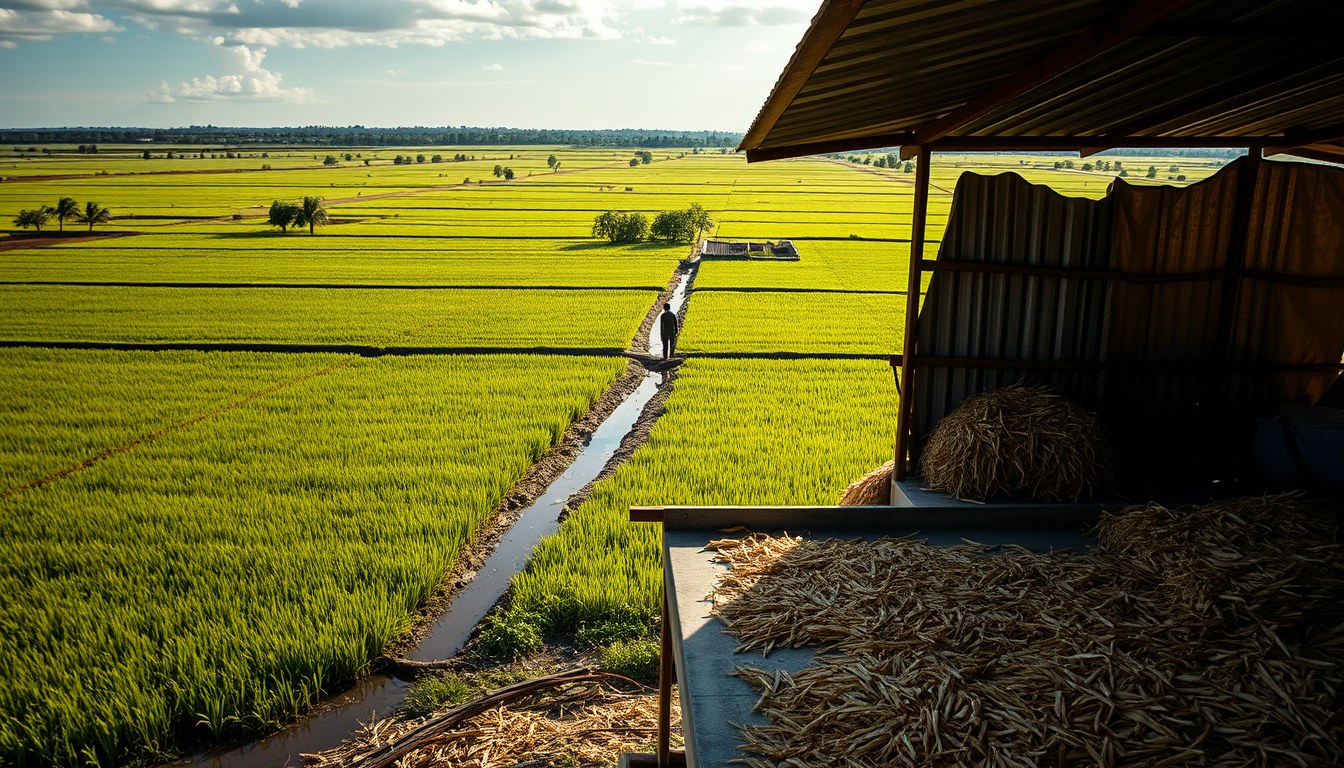
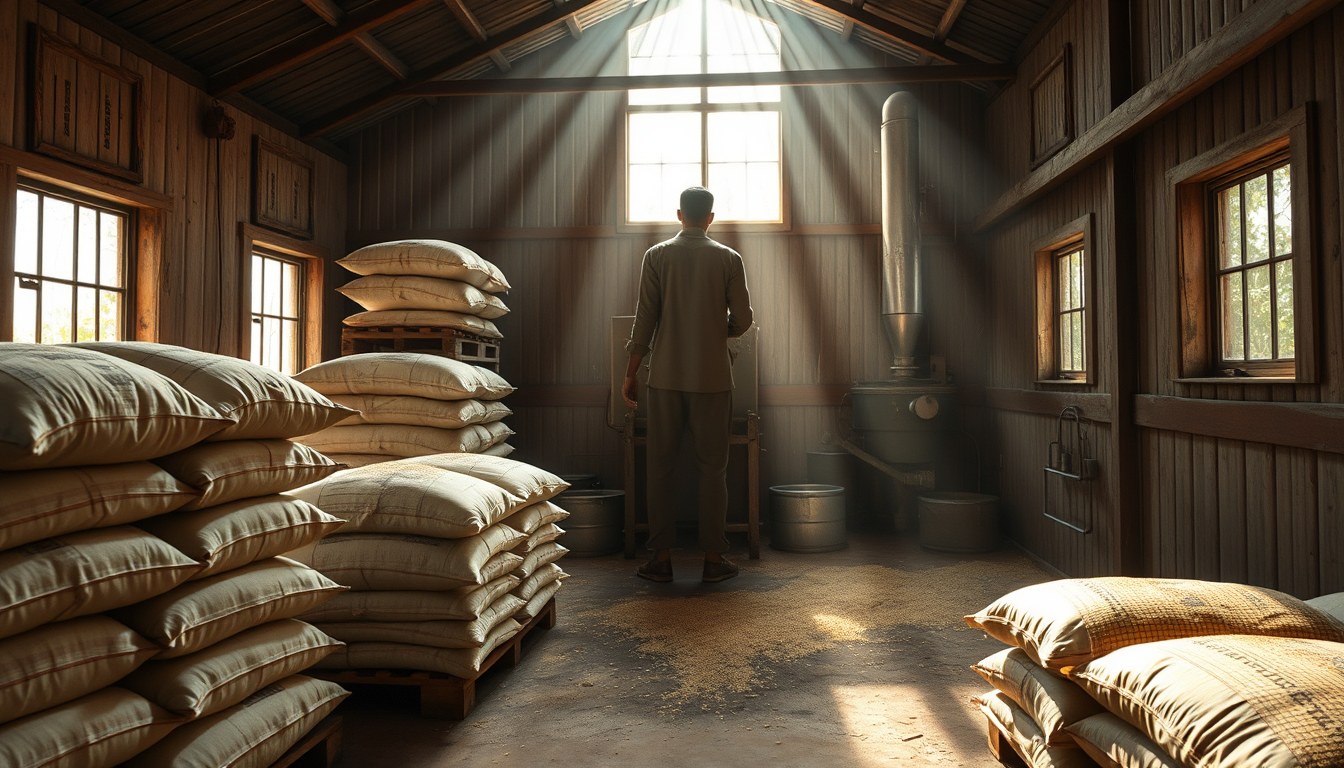
For entrepreneurs, the most useful detail is the method. The FAO is looking at the whole chain from producer to consumer, not just at what comes out of the field. Suriname Herald uses rice as an example: the volume of paddy harvested is only part of the story, because drying and storage also determine what a farmer can sell and when. The mission is therefore assessing the need for investment in drying and storage facilities.
That is where much of the business opportunity lies. Processing, cold chains, storage and logistics are capital-intensive, can be privately operated and are often under-supplied in smaller agricultural economies. If the final plans attach costed proposals and named financing sources to these midstream links, they could give SME processors and service providers something they rarely have: a project already framed in terms a development lender recognises.
The selection criteria point in the same direction. According to Suriname Herald, the priorities will weigh food security, climate resilience and opportunities for small producers, women and young people, with producers' practical experience checked against data on production, trade and employment. Businesses whose models fit those criteria may be better placed if and when funding windows open.
The finance problem the plans must solve
Investment profiles do not fix the cost of money. The US State Department's 2026 Investment Climate Statement lists agriculture, fishing and timber among Suriname's investment opportunities. It also says interest rates are "generally uncompetitively high", deterring many businesses from seeking credit in the local market. The same report notes that no effective registration system exists for types of liens other than mortgages, and that the share of land lacking title is unknown. Both limit what a farmer can pledge as collateral.
Domestic instruments exist but are small. At an information session with the business association VSB in October 2025, the national development bank NOB presented, according to Keynews, a USD 10 million facility with the Inter-American Development Bank, offering loans of up to USD 500,000 for investment and working capital. As a general rule, the NOB asks borrowers to contribute at least 10% of the total financing themselves. Applicants without sufficient collateral can request a guarantee from the Stichting Garantiefonds Suriname, which the NOB manages. In interior community areas without formal titles, up to 80% of a loan can be covered through a guarantee arrangement, provided the local authority, such as the village captain, gives written consent and the project is shown to be viable. Against that baseline, a CDB-linked pipeline of costed agri-projects would be a meaningful addition, but only if it turns into actual credit lines rather than reports.
What entrepreneurs should watch
- The shortlist. Which chains LVV adopts after the 6 November briefing, and whether the list is published.
- Midstream projects. Whether drying, storage and processing get their own investment proposals rather than being folded into farm-level support.
- Financing sources. Whether the CDB, or other lenders the mission identifies, attach concrete facilities, and whether local banks and the NOB are named as channels.
- Collateral fixes. Whether the plans address land titles and movable-asset security. Without that, smallholders will struggle to borrow even for priority chains.
The mission is a modest, technical exercise, and it lasts only a week. But in a sector that has long lacked investor-ready projects, a credible shortlist with price tags attached could prove more useful to agri-entrepreneurs than another round of general policy statements.
Sources & further reading
- Starnieuws: FAO en CDB onderzoeken investeringskansen in Surinaamse landbouw (3 November 2026)
- Suriname Herald: FAO onderzoekt investeringskansen in Surinaamse landbouw en visserij (3 November 2026)
- Suriname Nieuws Centrale: republication of the Suriname Herald report (4 November 2026)
- US Department of State: 2026 Suriname Investment Climate Statement
- Keynews: NOB en VSB presenteren financieringskansen voor Surinaamse ondernemers (27 October 2025)