Suriname has a new framework for how tax is assessed, checked and collected. On Tuesday 24 November the National Assembly passed the General Tax Act (Algemene Wet Belastingen) with 30 votes, and the Collection Act (Invorderingswet) with 41. The VHP did not vote against the general act, but it did not take part in that vote either.
Our view is that the reform is worth having, and that one part of it should not be left to goodwill: what the state expects from the smallest earners, and what happens to them when they fall short.
What parliament passed
According to De Ware Tijd, the general act sets uniform rules for returns, assessments, audits, the supply of information, and objections and appeals. The Collection Act gives the state, as creditor, the powers to collect tax debts. The National Assembly links both to anti-money-laundering efforts, to international obligations and to avoiding a grey listing.
The general act runs to 88 articles. On the government's proposal, its commencement clause was changed so that it takes effect the day after promulgation, Starnieuws reports. That leaves little built-in time between publication and application.
The case for one formal tax act is strong. When procedure is scattered over separate tax laws, a business has to learn several sets of rules for the same acts of filing, being audited and objecting. A single code is easier to teach, to apply and to challenge. The Collection Act passed with all 41 members present in favour, GFC Nieuws reports. Finance and Planning Minister Adelien Wijnerman said parliament's remarks on that bill had been worked into an amendment together with experts.
The gardener problem
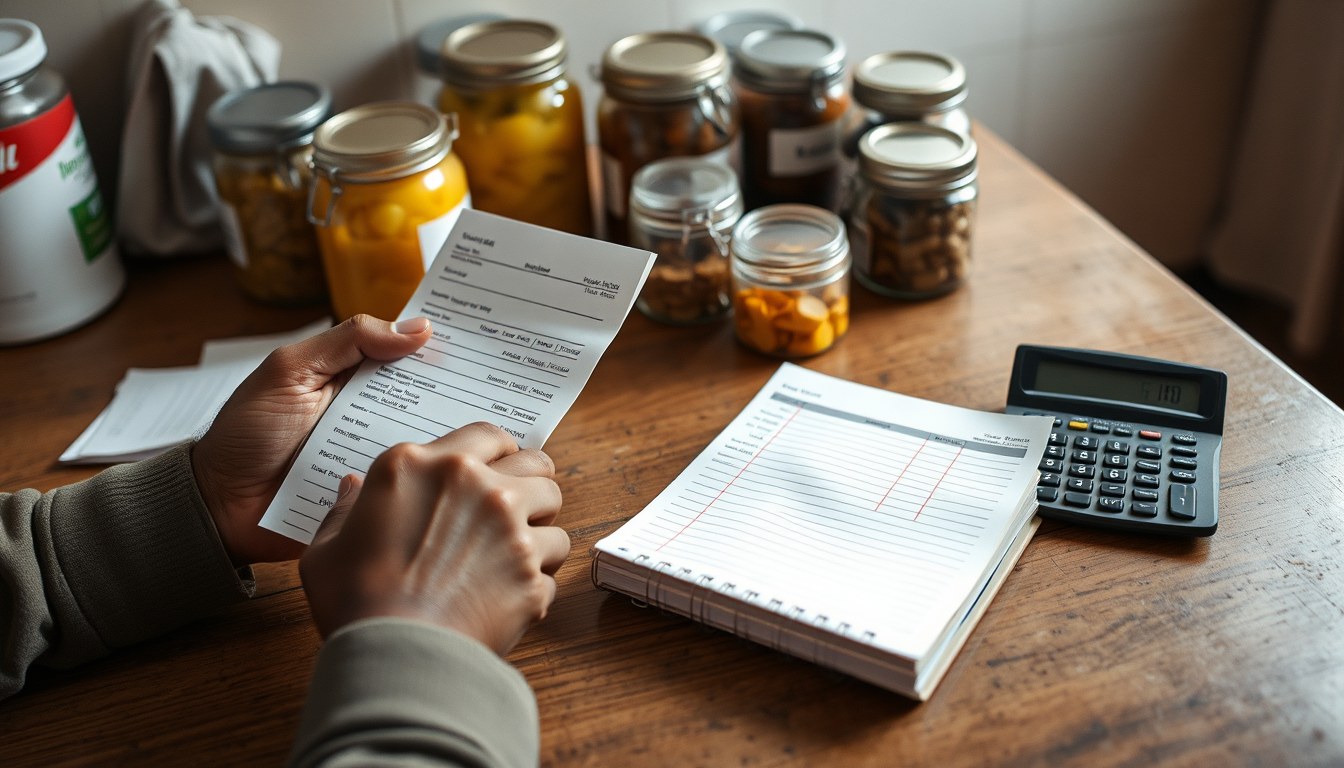
The sharpest objection came from VHP member Krishan Ramsukul. His argument, as reported, is that the act removes the distinction between taxpayers and those with administrative duties. As a result, he said, record-keeping duties would also reach students with side jobs, domestic workers, gardeners and people selling products from home. He pointed to a ten-year retention period and to fines of up to SRD 40,000, and in certain cases detention.
Minister Wijnerman disagrees. She said the act creates no new tax obligations but brings existing rules from various laws into one formal act, so small entrepreneurs are not burdened more heavily. According to the minister, policy implementation already distinguishes between small, medium-sized and large businesses. She also said that lighter rules for small businesses could be added to the Income Tax Act in a later stage of the reform.
Both points can be true at once. A duty that already exists on paper can feel very new when it is restated in one place, next to a fresh set of collection powers. And "could be added later" is not a rule anyone can rely on today.

Why informal leniency is not enough
VHP members Asis Gajadien and Mahinder Jogi wanted these groups protected in the law itself, warning that relying on the tax service's informal flexibility invites arbitrary treatment. On this point they are right, whatever one thinks of the party's decision to stay out of the vote on the general act.
Discretion sounds generous until you are on the receiving end of it. Someone selling food from a home kitchen cannot plan around an official's good mood. A student cannot know whether a missing receipt will be overlooked. A written threshold protects the small earner, and it also protects the honest inspector, who no longer has to decide case by case whom to spare.
It is also a matter of capacity. Every hour spent examining a gardener's notebook is an hour not spent on large arrears. A20/DOE member Steven Reyme stressed that outstanding tax must actually be collected and that this requires enough enforcement capacity. Aim that capacity where the money is.
What the government should do next
The minister promised public information, training for tax staff and consistent application. Those are good commitments. We would make them measurable and add to them:
- Publish, in plain Dutch and before enforcement starts in earnest, who must keep which records, with worked examples for side jobs and home businesses.
- Set a legal small-earner regime with a clear threshold, simple record-keeping and a warning before any fine. If it belongs in the Income Tax Act, give a date for tabling it.
- Provide a non-digital route. NDP member Rabin Parmessar, who chaired the rapporteurs' committee, raised access for people without reliable internet or enough digital skills.
- Match powers with remedies. Parmessar said wider powers must come with better service and timely legal protection, and the NPS called for statutory safeguards against abuse.
- Report each year on arrears collected, objections filed and how long they took to decide.
What businesses should do now
Do not wait for the guidance. Check how long you keep invoices, payroll records and bank statements against the ten-year period cited in the debate, and confirm with your accountant which duties apply to you. Look at any open tax debt, because parliament has now passed a new collection law. If you buy from very small suppliers, check how those purchases are documented. This is general information, not tax advice; the promulgated text is what counts.
NPS member Jerrel Pawiroredjo put it well in the debate: “Wetgeving alleen verandert geen Belastingdienst” (legislation alone does not change a tax service). He argued that attitudes must change too.
A modern tax code earns trust when people can understand what is asked of them and can contest what is done to them. Parliament has delivered the framework. The government should now write the protection for small earners into law, where nobody has to ask for it as a favour.