A falling number, and who pays for it
Suriname's annual inflation rate fell to 7.3% in September 2026, from 8.0% in August, according to preliminary figures from the statistics bureau (ABS), reported by Starnieuws on 23 October. In February the same measure stood at 10.8%, so the rate has come down by 3.5 percentage points in seven months. Month on month, prices rose just 0.1%.
We have covered the inflation data and the cost of the fuel cap before, so this piece asks a narrower question: what does the government's decision of 7 November to keep the cap say about the fiscal price of lower inflation, and how much room is left to pay it?
Why 7.3% is not the whole story
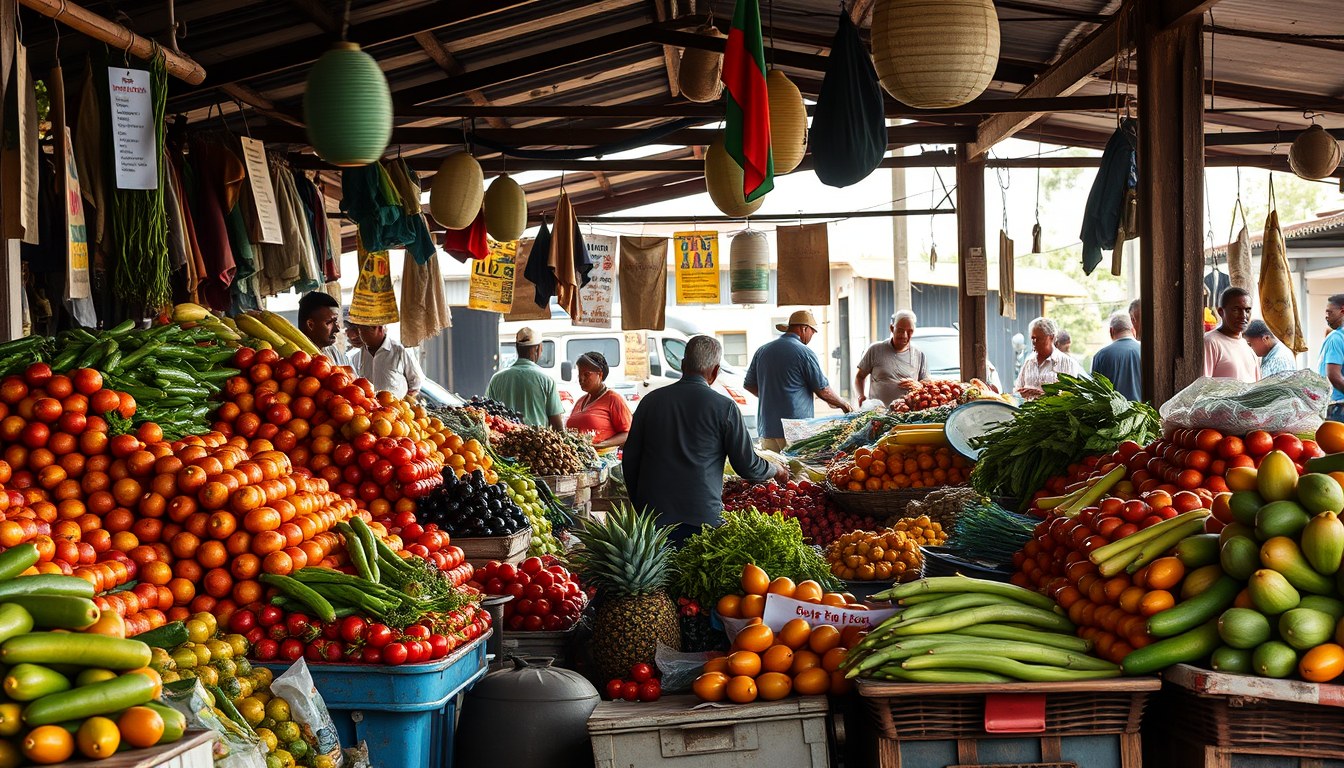
A lower rate is not falling prices. The general price level is still 7.3% above a year earlier, and the pressure is uneven: vegetables and fruit are up 35.7%, medical services 16.1% and communication 14.7%, while sugar (-3.5%) is the only subgroup with an annual decline. Food is the sore spot.
That is the concern behind the stance President Jennifer Simons took on 7 November, speaking on the RBN programme Kal Aaj Aur Kal, as reported by Key News. She called it irresponsible to abolish the cap for now. She accepts that the fuel subsidy will eventually be phased out, but wants consumers, businesses and transport to absorb the effects first, and she pointed to price controls that are still too weak to stop retailers raising prices by more than their fuel costs rise. No timetable for a phase-out has been given.
The cap and its bill
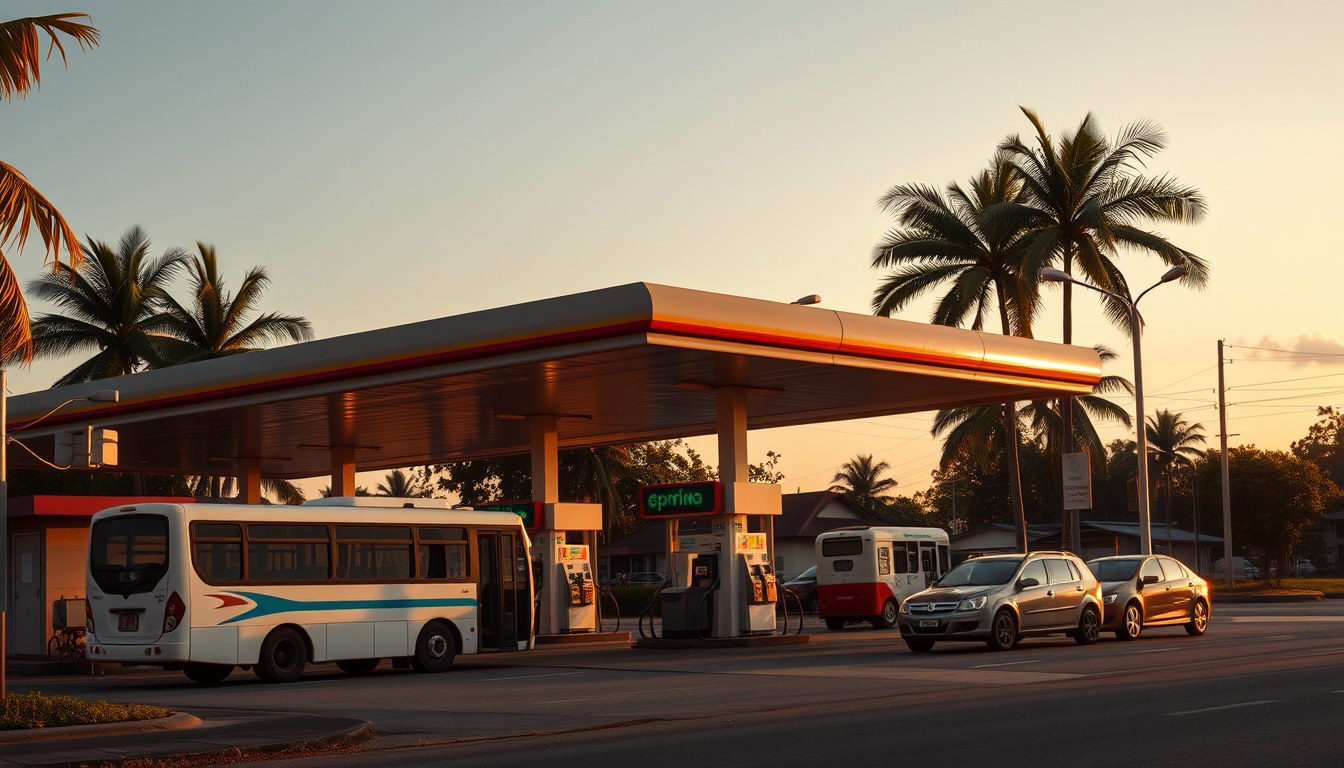
The cap, introduced on 18 March, holds diesel at SRD 53.27 and unleaded petrol at SRD 48.32 per litre. In August Finance Minister Adelien Wijnerman put the lost revenue at about SRD 350 million a month, and about SRD 1.4 billion cumulatively through July. Key News notes that no updated figure has been published, and Simons gave none on 7 November.
If the monthly pace simply continued, the annual cost would be around SRD 4.2 billion. That is our own extrapolation (SRD 350 million times twelve), not an official number, and the real figure moves with oil prices.
The pump price tells the other half of the story. The Rio Times reports that Simons said on 14 October that without the cap, diesel at oil company SOL would cost SRD 74.52 a litre as of 13 October, against SRD 53.27 under the cap. By our own calculation that is roughly 40% higher. Nobody can say how much of that would reach shop shelves, but part of today's disinflation plausibly reflects the cap.
The International Monetary Fund has also been reported to have modelled the extra cost of holding down fuel and electricity prices. Those figures come only second-hand, from De Ware Tijd's account relayed by the Rio Times, which says it could not check the IMF report itself, and they are scenarios rather than forecasts. We therefore do not quote them here.
Can the budget carry it?
The finance minister sounded calm in an interview the Suriname Herald published on 10 November. She said that all loan repayments follow the agreed schedules, that Suriname has no payment arrears on state loans, that money for interest on state bonds is set aside in a separate account, and that the government is not taking on new loans for now. Both the primary and the overall budget balance were positive through August, according to the Suriname Herald report. She also said spending usually rises considerably towards the end of the year, and that she hopes the positive trend can hold. Some existing loans may still carry commitment fees even without new borrowing.
That is reassuring on debt service. But the pressure points are visible. Key News reported on 8 September that Home Affairs Minister Marinus Bee said civil servants would receive the full 15% pay rise at the end of September, while talks between government and unions were still not concluded. A pay rise lifts demand just as the state is subsidising fuel, and Wijnerman herself warned in August that scrapping the cap could cancel out the pay rise in purchasing-power terms. In other words, the cap and the wage deal are linked: one protects the other.
The power gap adds a second claim
A separate call on public money surfaced this week. Gerard Lau, chairman of the supervisory board of the Energy Authority (EAS), told the government information service CDS on 10 November that Suriname's electricity shortfall is 80 to 100 megawatts and could reach 120 MW depending on weather and reservoir levels, per Key News. Afobaka hydropower supplies roughly 40 to 50% of demand, some suppliers quote lead times of 18 to 34 months for new generating units, and Lau called long-term generator rental costly, money that would be better spent on the country's own capacity.
Fuel subsidies, a public-sector wage settlement and a multi-year power build-out all draw on the same pre-oil budget. The Rio Times says offshore production is expected to start only in 2028, with heavy investment and imports first. Until then, the state has to bridge the gap itself.
What to watch
- October CPI. The ABS publishes monthly. It will show whether the pay rise is beginning to feed into prices.
- A dated exit from the cap. Simons calls a phase-out eventual but has given no timetable. An exit announced in advance would be easier on prices than a sudden one.
- An updated cap cost. The SRD 1.4 billion figure ends in July. A fresh number would show how much fiscal room is already spoken for.
- Year-end spending. Wijnerman flags it herself. The gap between a positive budget through August and the final outturn is the real test of the no-new-loans stance.
The 7.3% figure is good news, and the government deserves credit for it. But it is partly sustained by foregone revenue, and that bill keeps growing while the oil meant to pay it is still two years away.
Sources & further reading
- Starnieuws: Inflatie daalt naar 7,3 procent; groenten en fruit blijven fors duurder (23 Oct 2026)
- Starnieuws: Inflatie stijgt naar 10,8%: prijzen licht omhoog in februari
- Key News: Simons handhaaft brandstofcap ondanks miljoenenverlies voor staatskas (8 Nov 2026)
- Rio Times: Suriname oil shock and inflation 2026 (19 Oct 2026; citing De Ware Tijd)
- Key News: Bee, civil servants to receive full 15 per cent pay rise at end of September (8 Sep 2026)
- Suriname Herald: Wijnerman, geen betalingsachterstanden bij staatsleningen (10 Nov 2026)
- Key News: Energietekort Suriname kan oplopen tot 120 megawatt (11 Nov 2026)