N.V. Grassalco is the Surinamese state's own mining company, and 2026 has tested nearly everything about it: its leadership, its controls and its responsibility for what happens on land where it holds the rights. For contractors, lenders and communities, it is worth understanding as a business, not only as a source of political headlines.
What Grassalco does
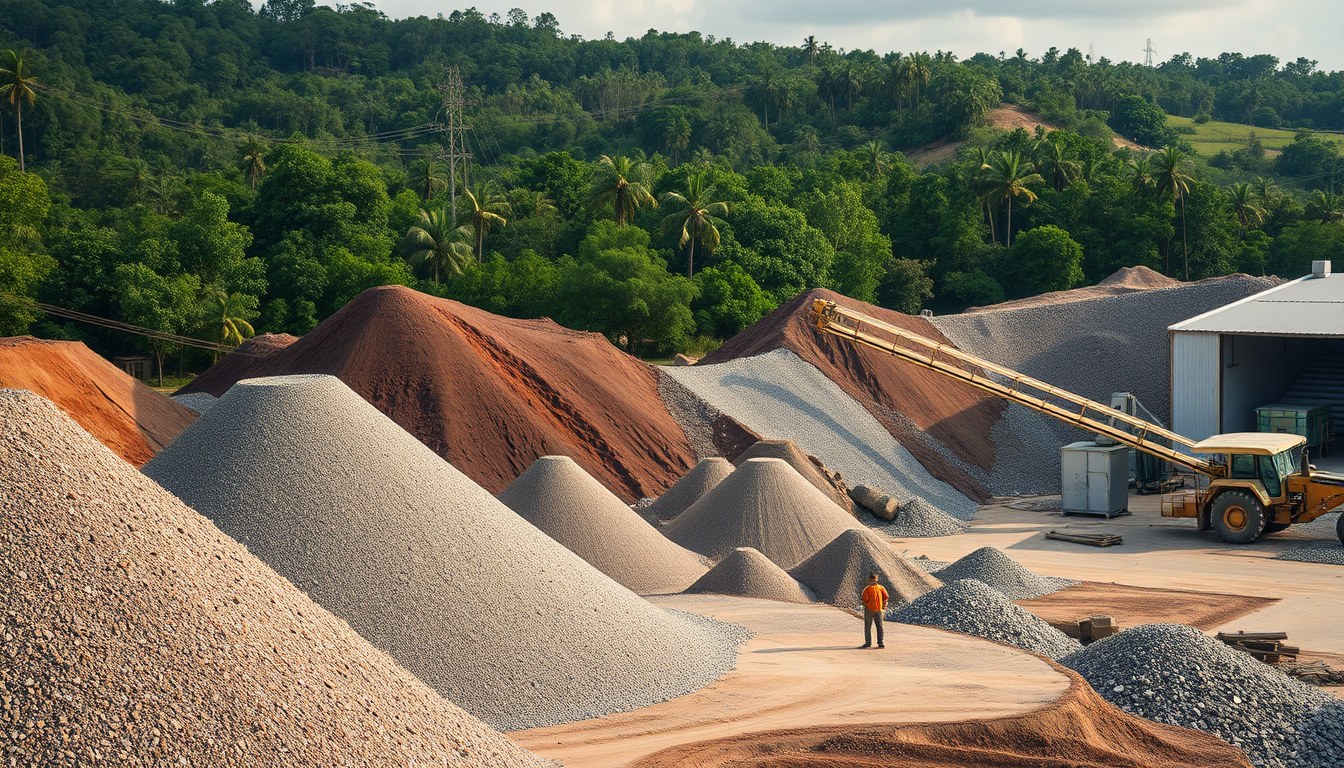
The company is wholly state-owned. Its website lists crushed stone and sand, granite, gold and in-vitro plants among its activities. That mix makes it two businesses in one. The first supplies building materials. The second holds gold mining rights, including the Maripaston concession.
On the stone side, Grassalco opened a new crushing plant at Worsteling Jacobs in April 2023, a joint venture with China's Judefu Mining. De Ware Tijd reported a start-up investment of more than US$15 million and capacity of about one million tonnes a year. For scale, the company's record annual output until then was 418,000 tonnes, in 2014. Capacity is not production, however, and the sources reviewed for this profile give no recent output or sales figures. The same report said exports were then unprofitable because of a dredging fee of US$6.25 a tonne.
A year of leadership upheaval
In January, the supervisory board placed president-director Wesley Rozenhout on leave during an investigation into the reported disappearance of 4,140 grams of gold, valued at roughly US$400,000. The board also said it had not received complete information. Rozenhout has denied that any gold went missing, and in June said he was still waiting for the investigation.
The case is also a police matter. The suspected loss from the company vault surfaced in October 2025, and Rozenhout has said he informed the President that month; a police report followed. On 15 October 2026 it was reported that the Public Prosecution Service had returned the file to police for further investigation. The sources reviewed report no charge or finding against any named person.
On 12 June, an extraordinary shareholders' meeting appointed Johan Seymor president-director, with Berto Sampi as operational director and Jerney Noordzee as financial director. Marlon Cotino was named to chair the supervisory board.
Rozenhout, for his part, said he left a stronger company, with salaries and operating costs secured for seven years and higher production capacity at the stone operations. These are his own claims; the interview reporting them gave no figures to test them.
The Maripaston problem
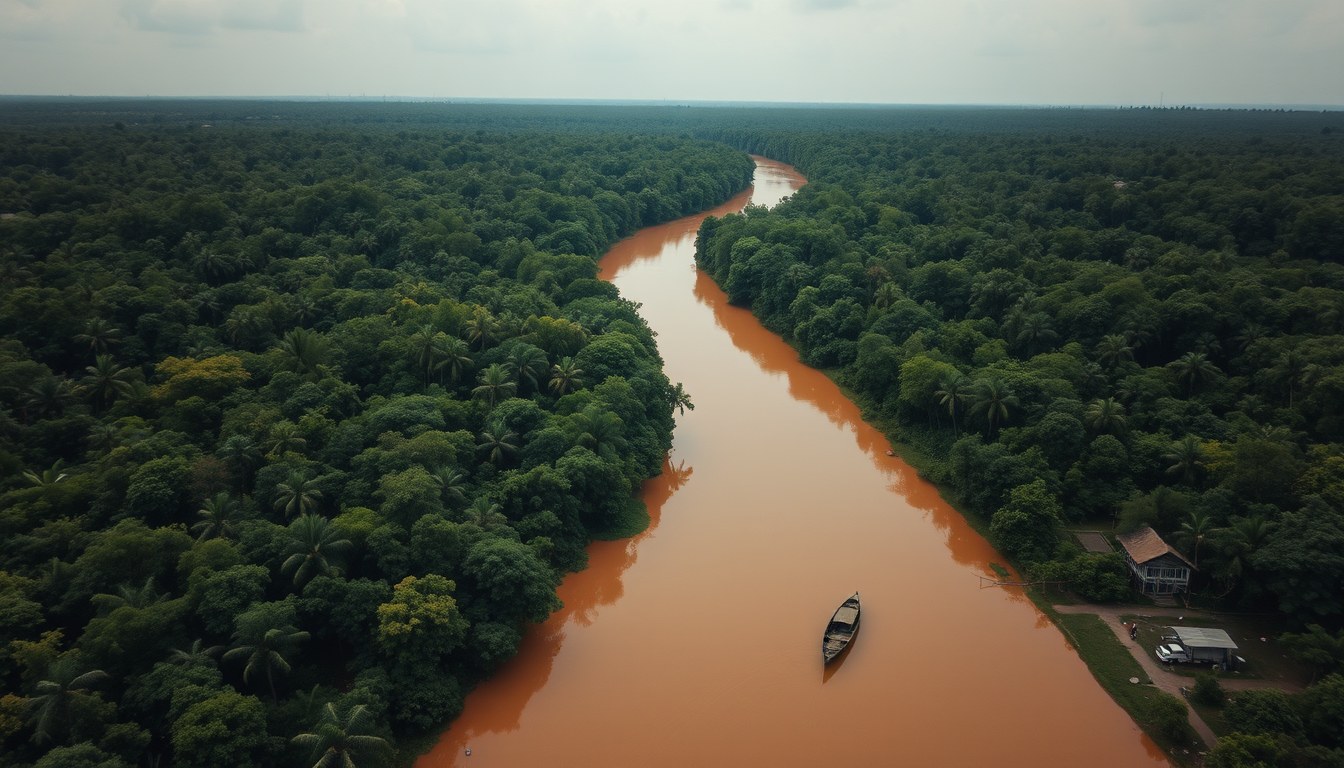
In late July, large numbers of fish died after what De Ware Tijd described as a chemical discharge, and villagers were advised for a time not to drink the water. On 10 August, De Ware Tijd reported that unnamed sources traced the likely origin to a private company that had signed a five-year agreement with Grassalco on 5 May 2025 to mine gold in parts of Maripaston. According to the newspaper, Grassalco holds the mining rights and remains responsible for legal obligations, including environmental rules. It also reported that a National Environmental Authority inspection in December 2025, before the spill, had found the contractor non-compliant, with a checklist score of 52.42 percent. That firm was given a chance to correct the failings; the newspaper said it was unclear whether it had. The link to the spill was unconfirmed, and the report carried no response from that private firm.
On 27 August the authority reported cyanide and heavy metals in river water and fish. The government concluded that the pollution began on Grassalco's concession, at the company itself or at a business working or formerly working there, and said it intended to hold Grassalco formally liable.
Grassalco has not accepted that its activities caused the fish deaths. It said the site of the die-off is about 15 kilometres from its mining operations, hired Sepco Industries for an independent study, supplied drinking water to affected households and promised full remediation if a link is shown. It said results would be published in full within six to eight weeks. We found no published results as of this article's date.
In September, President Jennifer Simons met Grassalco's management and supervisory board. Natural Resources Minister David Abiamofo said initial findings pointed to a possible link with activities at the concession, but that no definitive cause had been established. The government said it would also look at heap leaching and other gold processes elsewhere in the country.
What the new management is doing
By November, Grassalco was training residents of five villages to take water samples, check pH and other values and raise the alarm when limits are exceeded. The company pays for the programme, with three participants from each village. It is run by Sepco Industries, the same firm Grassalco hired to study the pollution. It is also reorganising the Maripaston area: it plans to re-register gold miners there, who would then work on a designated site.
Community monitoring is useful, especially where inspectors are far away. It does not replace independent laboratory testing, enforcement against operators or a published account of what went wrong.
What to watch
The lesson of the year is that a concession holder cannot subcontract its reputation. A state company that lets others mine its ground still carries the questions when something fails. Anyone considering a partnership with Grassalco should expect, and welcome, closer checks on environmental capacity, reporting and ownership.
Four things would show whether the company is turning a corner:
- publication of the promised study and an independent conclusion on the cause of the river pollution;
- a clear outcome of the missing-gold investigation;
- disclosure of contracts under which third parties mine its concessions;
- annual figures that separate stone, gold and other income.
The last matters most for the longer term. Construction demand gives a crushed-stone supplier a real commercial opening, while gold offers revenue with far higher environmental and governance risk. Without separate figures, the public as shareholder cannot judge which side carries the company, or whether the returns justify the risks taken in its name.
Sources & further reading
- Grassalco: company website
- Suriname Herald: Johan Seymor appointed president-director (Dutch)
- Suriname Herald: Director placed on leave in gold case (Dutch)
- Suriname Herald: Rozenhout on Grassalco's position (Dutch)
- De Ware Tijd: Grassalco expands crushed-stone operation (Dutch)
- De Ware Tijd: Five-year gold mining agreement with Grassalco (Dutch)
- Government of Suriname: Findings on Saramacca River pollution (Dutch)
- Suriname Herald: Grassalco offers water and commissions study (Dutch)
- Culturu: Missing-gold file back with police (Dutch)
- Suriname Herald: Possible link with river pollution (Dutch)
- Suriname Herald: Residents trained to measure water pollution (Dutch)